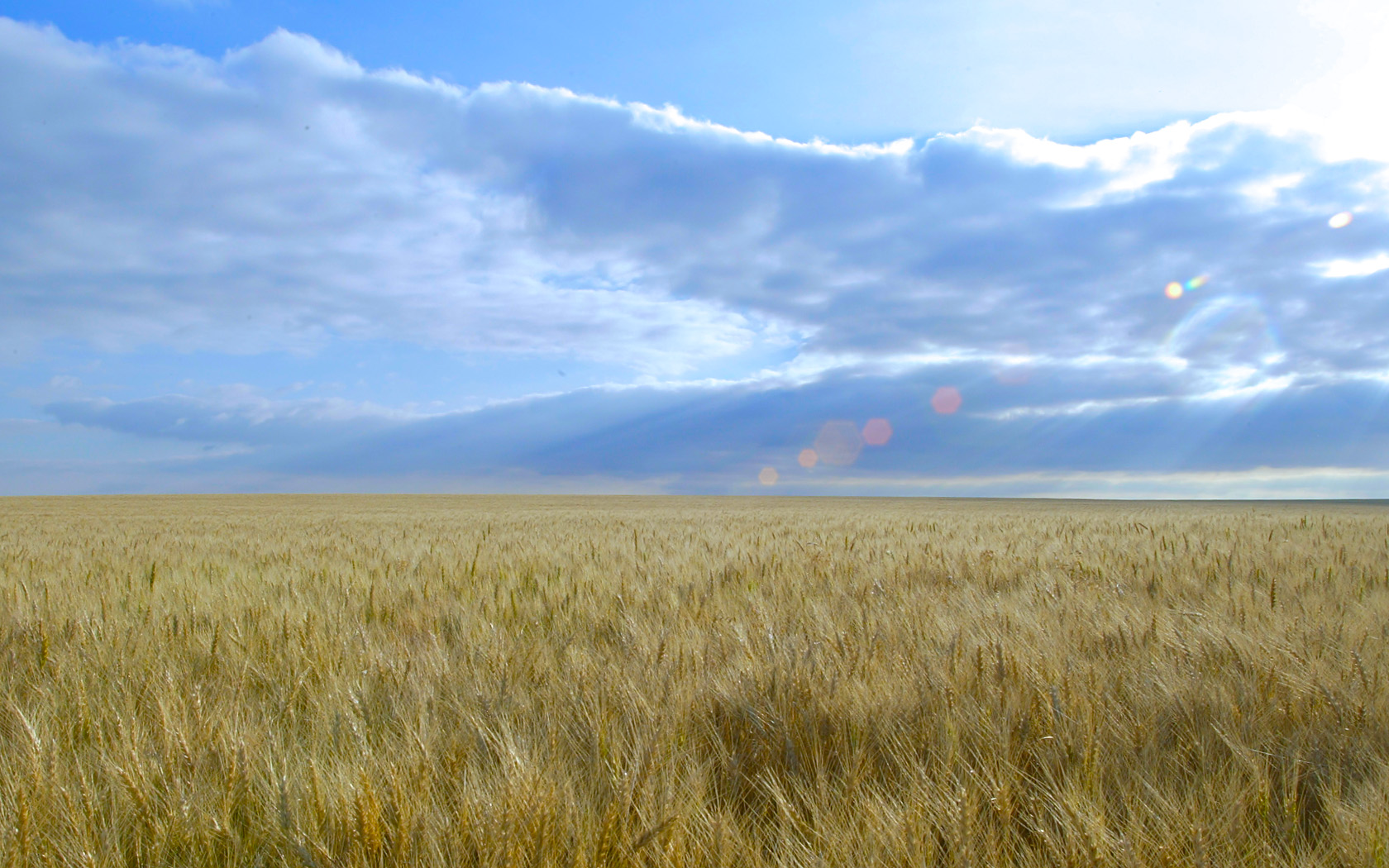
 I was within a few miles of the Missouri River (and Lake Oahe) when I saw the low sun lighting up this wheat field. One of the reasons you don't let the sun hit your lens is "lens flair," which is apparent in this photo. Lens flare is caused by the sun reflecting and refracting off of interior lens elements. But sometimes it can enhance a photo.
I don't know if the flare helps this picture. But for me the picture is enough: an expansive field of golden wheat on a sunny summer day.
Canon 1D 1/125s f/18.0 ISO200 20mm
 Such is the deep drop-off at Lake Oahe that I can use
  In my brief foray to the cemetery, where I knew I could find a multitude of frost-covered trees, I looked for shots where the light was coming straight at the camera through the branches of the trees. The sunlight was relatively strong but still obscured by thin fog, which meant that with all the white surrounding me there was very good ambient light, as well. It is that ambient light in this photo that provides the detail on what would otherwise be the shaded side of this pine bough.
 It is relatively rare that we get foggy days in South Dakota - especially in winter. And I suppose if it were more common, hoary evergreens wouldn't be magical. But to me they are. My only regret is that I didn't have more time yesterday to take photos. I could learn to love SD winters if they were always so photogenic. . .
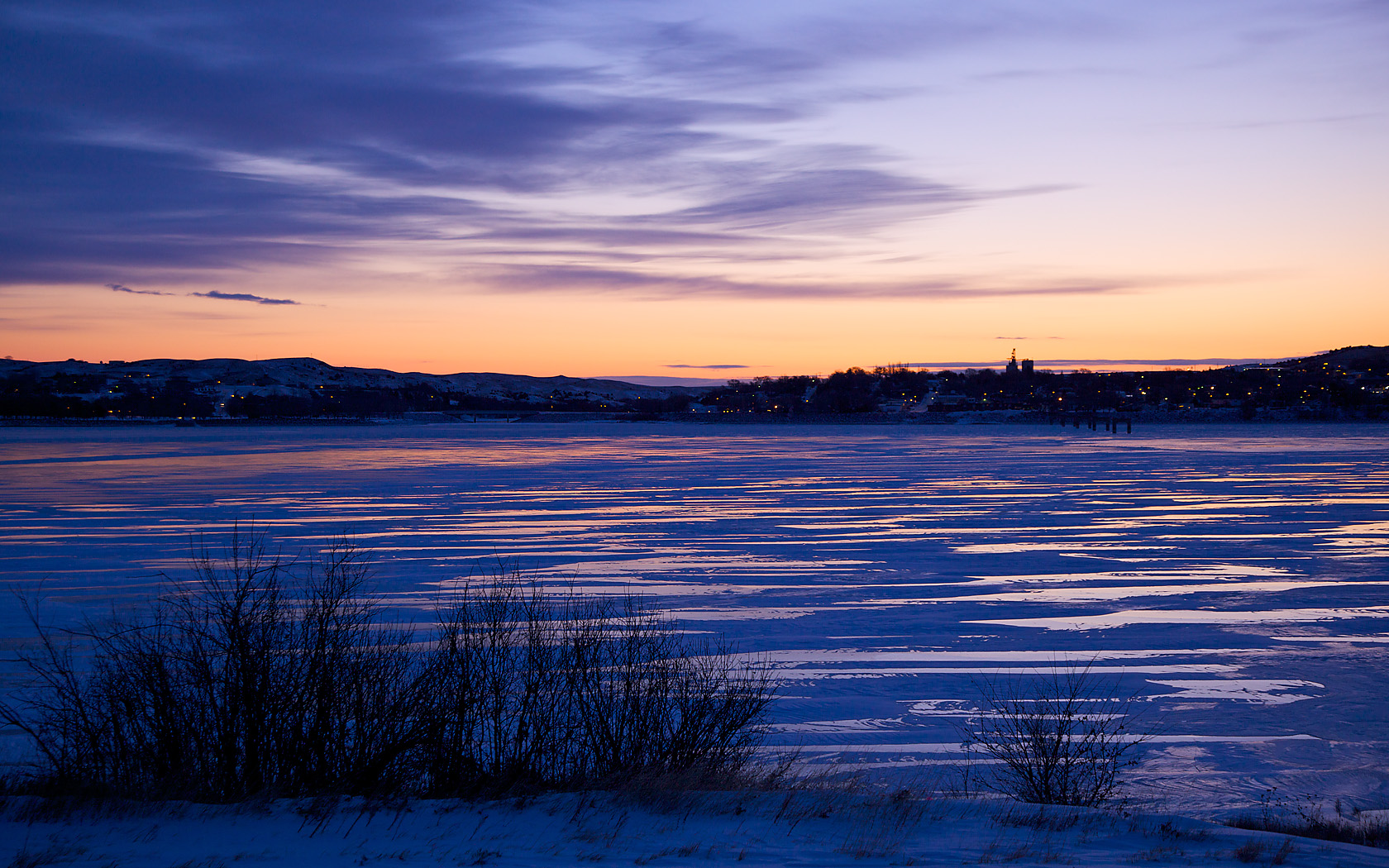 "Rhododactylos" (rosy-fingered) is the epithet that Homer uses to describe the Greek goddess of dawn, Eos. Eos, of course, is also used in the full product name of Canon DSLRs: eg "Eos 5D Mark II," which is the camera I took this photo with. How appropriate!
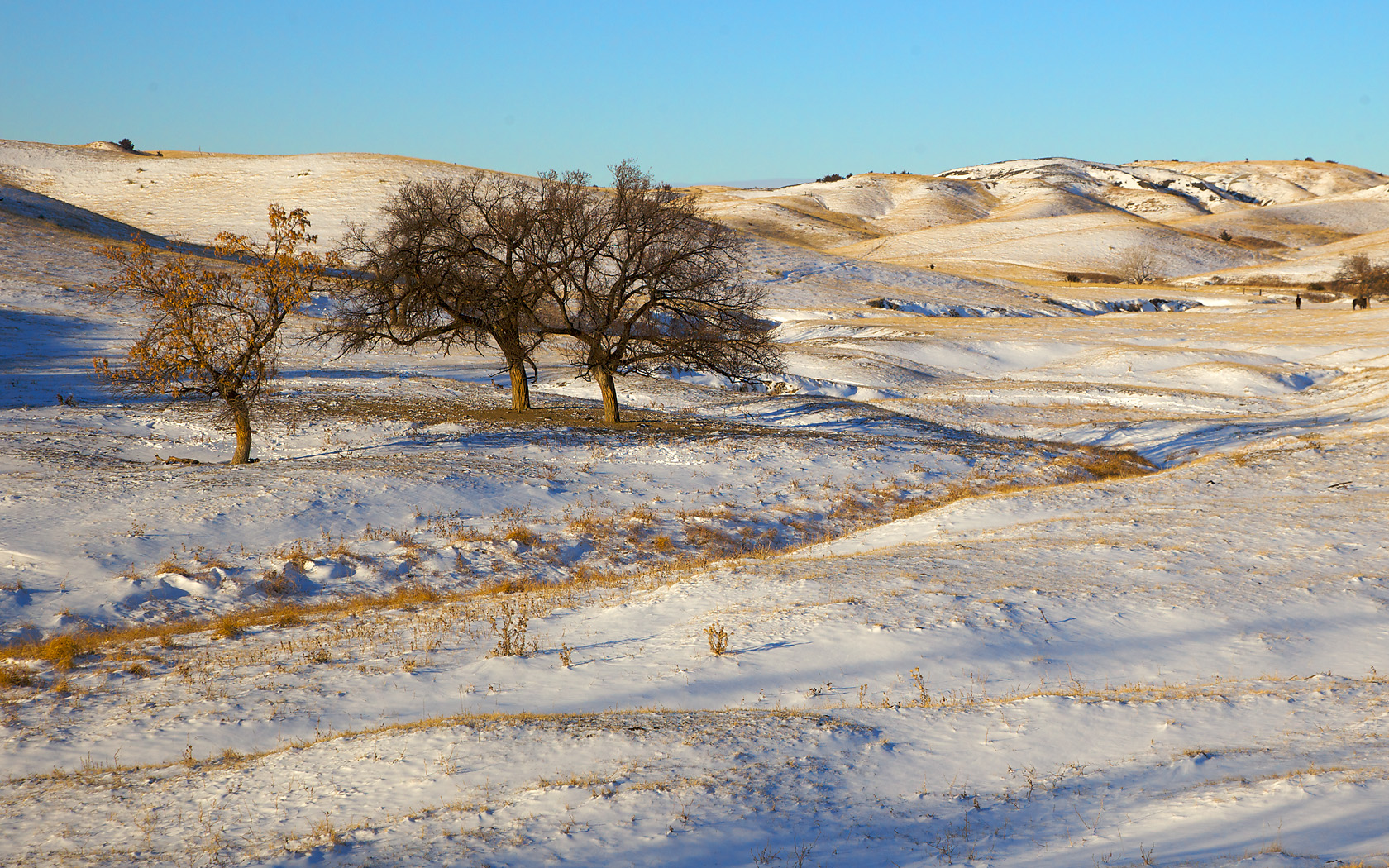 I was at a conference in Chamberlain and thought it would be interesting to try to get a second photo of a scene I had photographed a few months ago. Everything is the same except for the season. (I like the green one better!)
 I drove through the cemetery this past January after a fresh blanket of snow. I have always been fascinated by the arrangement of the monuments in the military section of cemeteries. At the Mt. Hope Cemetery in Watertown, there are monuments that date back to the 19th century, and many wars are represented by the veterans buried here.
 Thick frost like this is more ephemeral than most subjects in nature. In South Dakota, it is rare and then to have a windless morning to preserve it is rarer still. Notice the amazingly blue sky, as pure as any South Dakota winter sky.
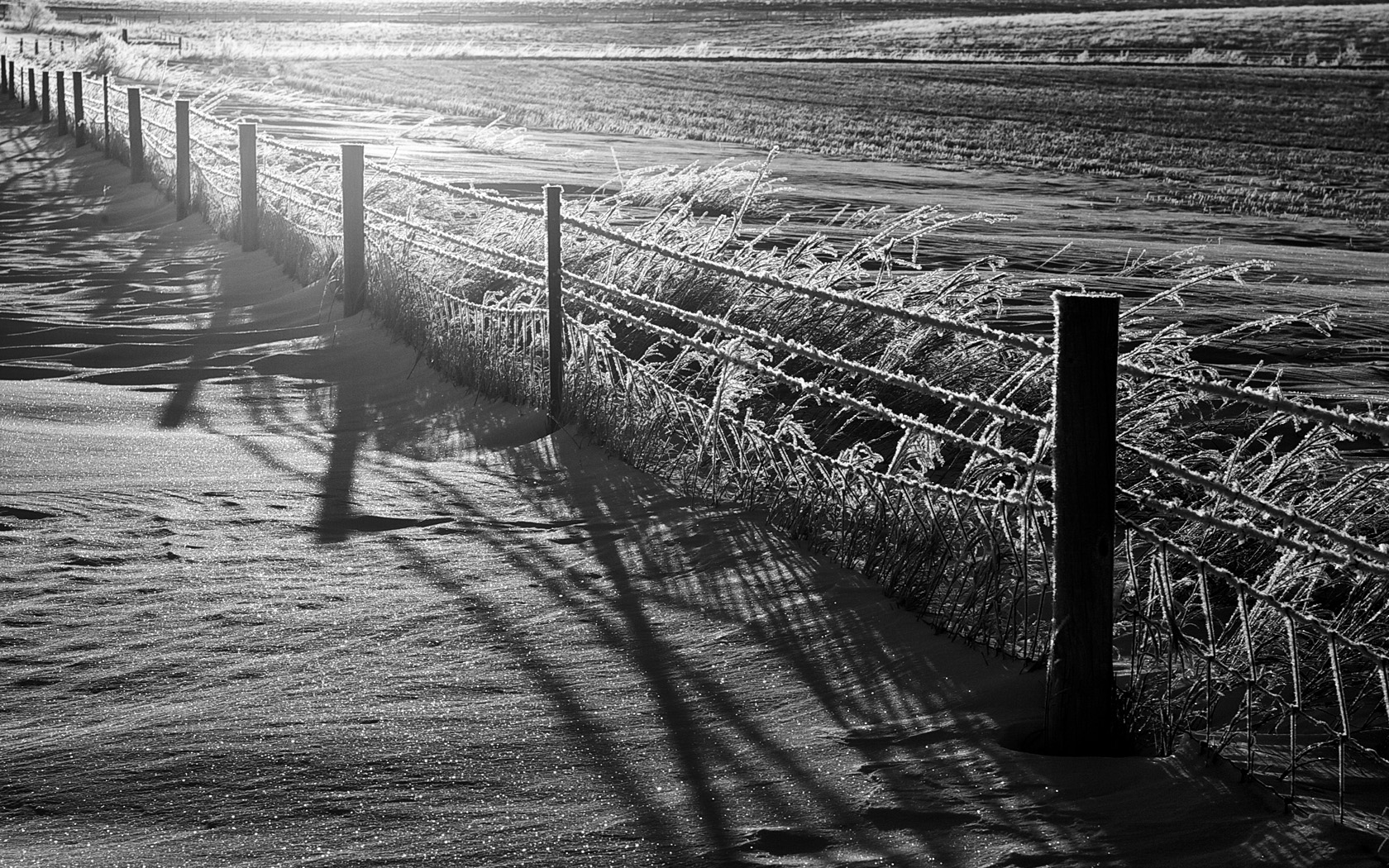 I took this photo a few years ago. Humid air had caused a particularly thick coating of frost crystals and the lack of any breeze preserved it - at least for an hour or two after the sun came up.
 Almost anything looks better in morning light, including the Terry Redlin Art Center in Watertown. This photo was taken a few minutes after I took