
By Scott Shephard
There are many places that claim to be the "Center of the World." As you might expect, the claims are generally ethnocentric. The ancient Greeks, for example, who thought very highly of themselves, erected a monument in Greece called the omphalos. It is Greek for navel (or belly button).
The Hagia Sophia in Istanbul doesn't claim to be the belly button of the world but it many ways it is. Because Istanbul has long been located on the major trade route between Asia and Europe, it became a melting pot of cultures. The Hagia Sophia is an amazing testament to the clash and then mixing of these cultures. Built on the site of a pagan temple, this basilica was first a Christian temple, then converted to an Islamic mosque. Because Islam prohibits representational art in its mosques, all of the mosaics in the dome were whitewashed. But in 1935 Mustafa Kemal ("Ataturk") decreed that the Hagia Sophia become a museum and evidence of both religions are clearly evident, including the Arabic writing and the beautiful mosaic decorations on the domes.
Photographically, this is a very difficult subject - in part because of how dark the interior is and in part due to the expanse of the interior, which my lens couldn't do justice to. You'll have to go there to experience this place in person.
 Here's another one from Denver, Colorado. I was visiting the art museum and was captured by the construction of a new wing of the museum. The red structure that frames the two workers is itself a work of art.
  Scott P and I were waiting to catch the morning train to Paris. As busy as this train station is, I was struck by the peacefulness at the moment I took this photo. As I look at the picture, I am also drawn to the fact that the golden morning sunlight streaming in the windows echoes the golden color of the trains. I didn't see this when I took the picture. What I saw were all of the lines and curves and if you go back and look at my architectural photos, it's clear that I have a penchant for lines and curves.
 This morning I finally realized why paintings and sculptures get such lame titles sometimes - the artists spend all their creativity on the art and have nothing left when it comes time to name it. I doubt my photo is a work of art but I do know that the title is lame.
 Yesterday's post asked a question about lines and so I thought I'd post another photo that is obviously linear. I rarely think of vanishing points when I take photos but this one clearly moves the eye to infinity. If you want to see an interest use of vanishing point, check out
  I'm embarrassed to admit this but one of the pleasures of visiting Delft last summer was standing in the very spot Scarlet Johansson stood in "Girl With a Pearl Earring." I like Scarlet but I don't think she likes me. This building, incidentally, isn't far from the spot she stood and is pictured in the movie.
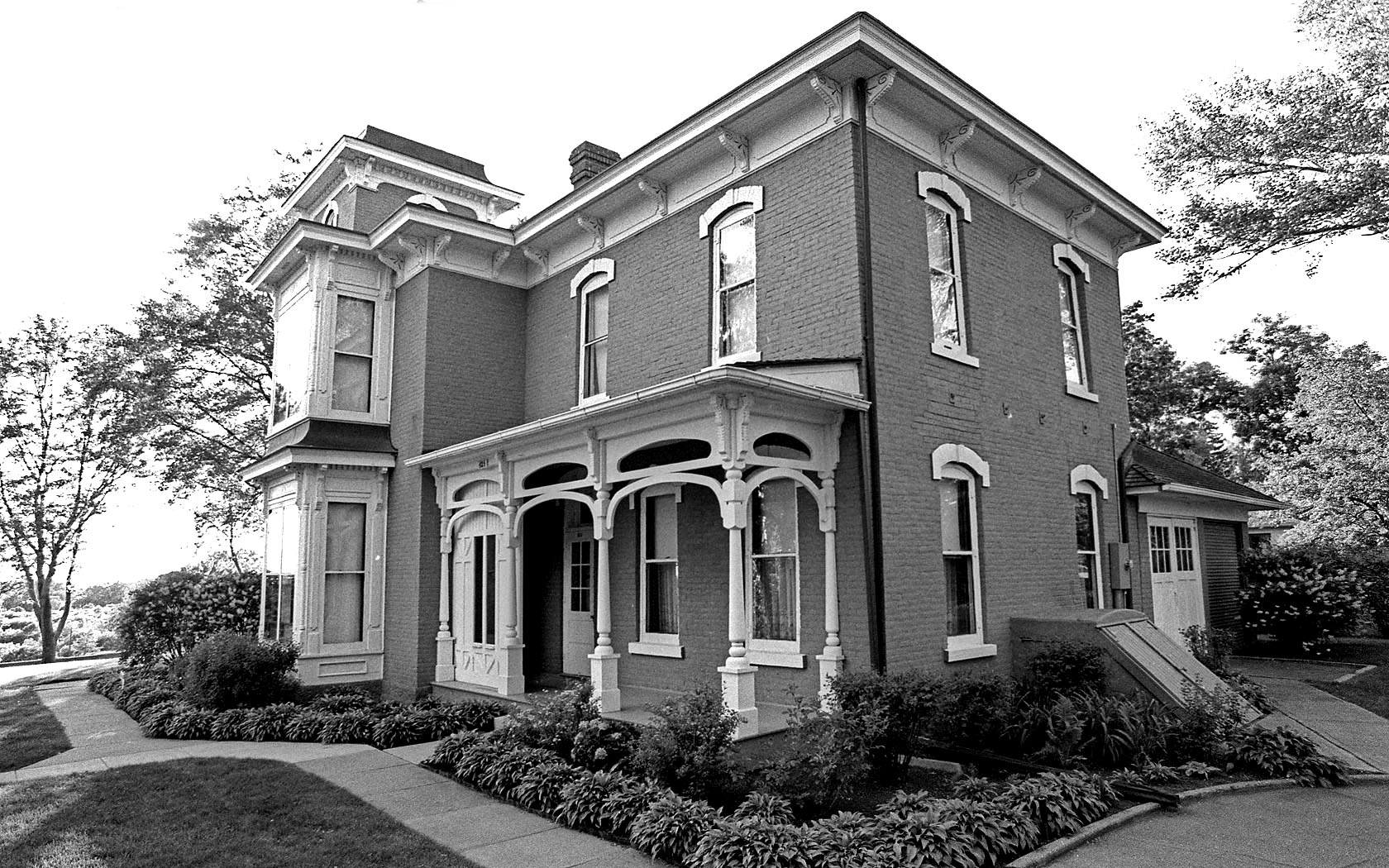 The Mellette House was the residence of Arthur Mellette and his family. It was built around 1885. Mellette was appointed Governor of Dakota Territory in March, 1889, and in October, 1889, he became the first governor of South Dakota.
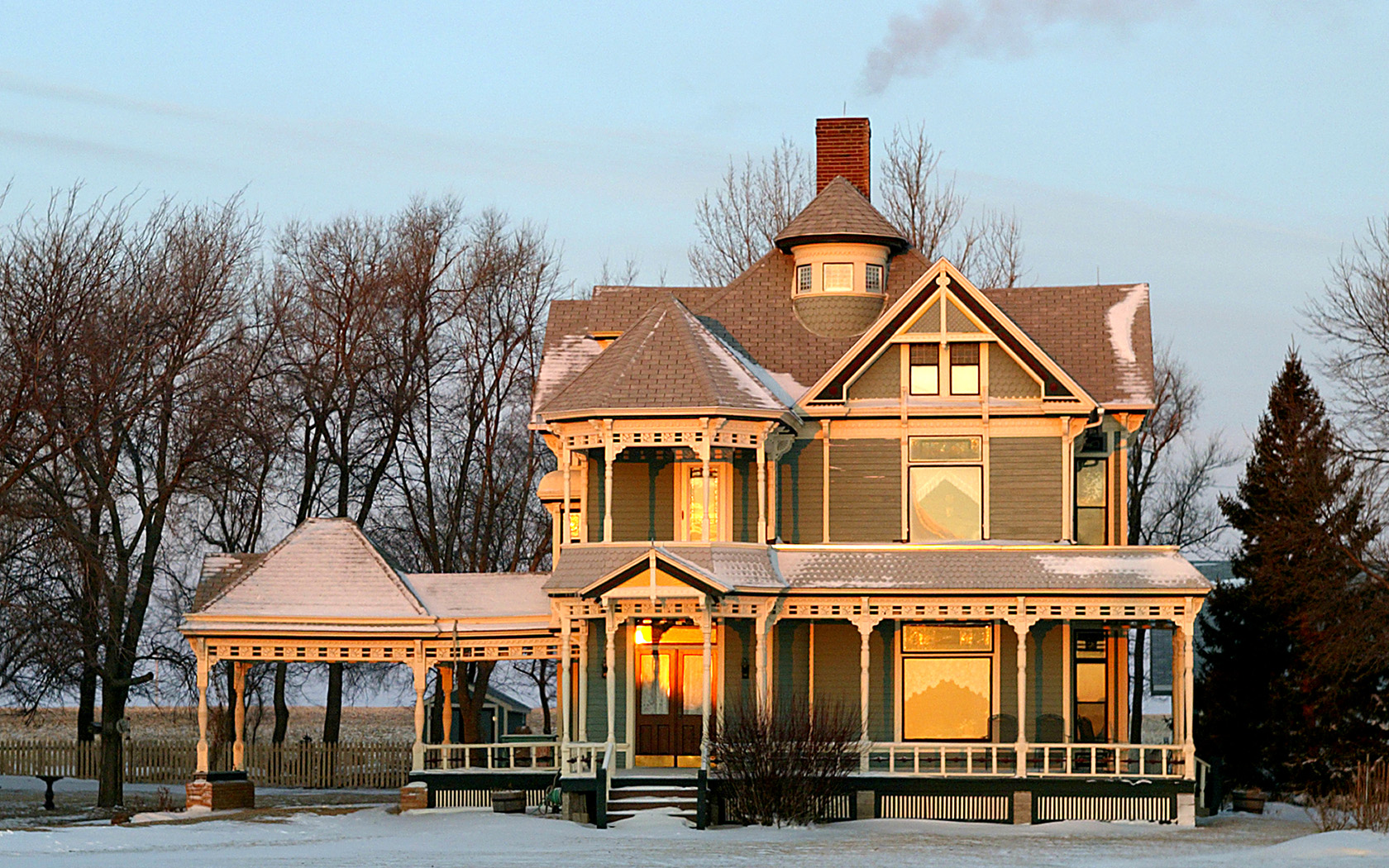 Those who live in Watertown, SD, know this house well. It sits on a large lot on the edge of town. It's current location isn't where it was originally built. Perhaps someone else knows the history?
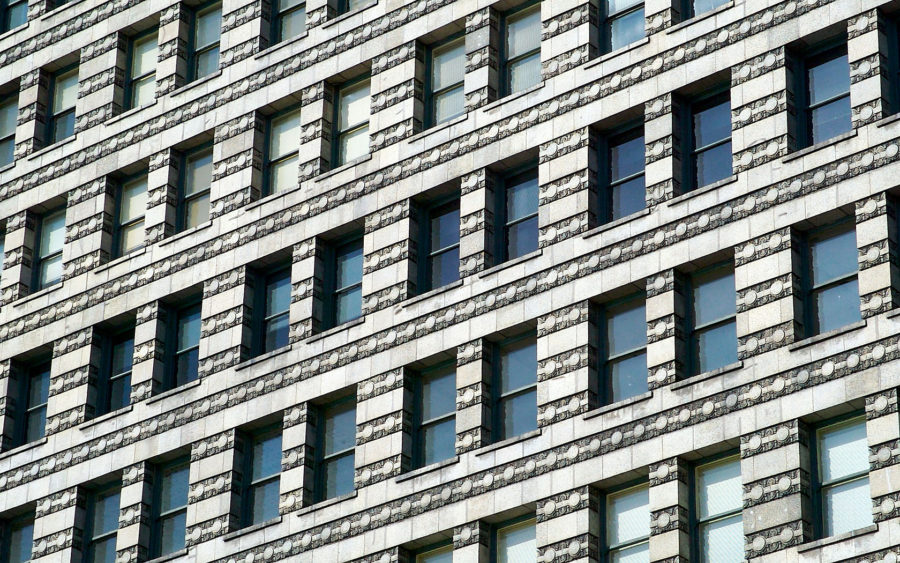 I guess it may be obvious that I like taking photos of Chicago. To be honest, I don't remember taking this one, but it is my photo. I guess I wasn't feeling "flow" when this one happened, though I did take it in 2003, which is a long time ago. :-(
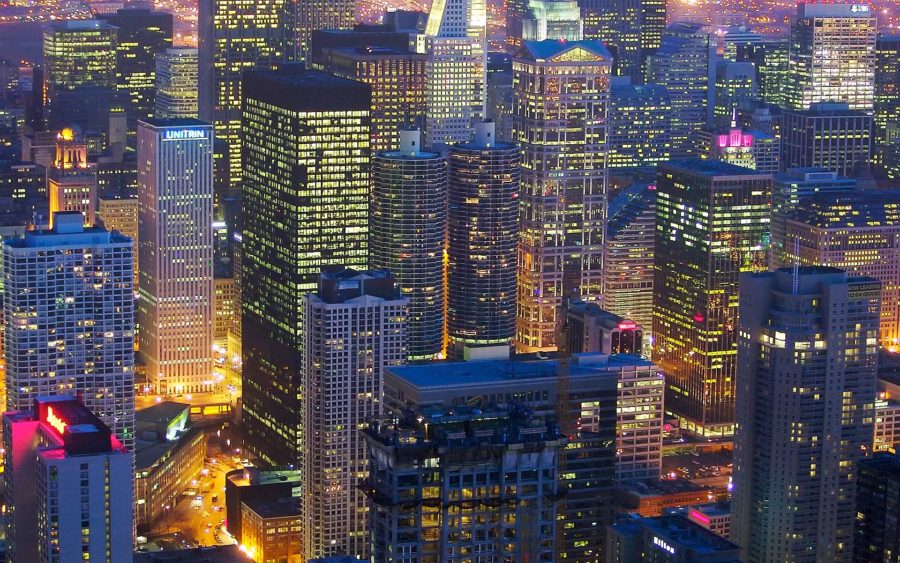 I wonder how many photographers using digital cameras wish they could re-photograph the same scenes once they get improved cameras? That's what I wished for as I was working on this photo the other day.