By Scott Shephard
The one thing I have gotten better at in my photography is looking for the sometimes subtle play of light in a scene. And sometimes the camera sees this much better than I do. I believe that the reason for this is that cameras record contrast better. Contrast is the difference between bright and dark and the human eye's remarkable range helps us ignore these differences.
When I saw this grove of aspen trees near our cabin, I found it interesting. But the camera saw much more than I. These days, I take more photos of things that may at first seem un-photogenic because I know that the camera will help me look more closely.
 One day I looked out our patio door and saw this squirrel eating the bird seed we had put out. I looked more closely and noticed that he was missing one of his front paws. I turned to Deb and said, "Look - there's a handicapped squirrel on our deck!" She said, "It looks like he's doing quite well with only one paw. I would say he's not really all that handicapped."
 I took this photo over 30 years ago when I was in college living off campus in a little silver trailer that I rented for $40 a month. I had my books and I also had cats, including this little kitten, who seems to be looking at me curiously.
 Can you handle the inquisitive, yet trusting look of a cat. This isn't just any cat - it's Brian's cat, Lucy. This isn't the only post about curiosity.
 "Rhododactylos" (rosy-fingered) is the epithet that Homer uses to describe the Greek goddess of dawn, Eos. Eos, of course, is also used in the full product name of Canon DSLRs: eg "Eos 5D Mark II," which is the camera I took this photo with. How appropriate!
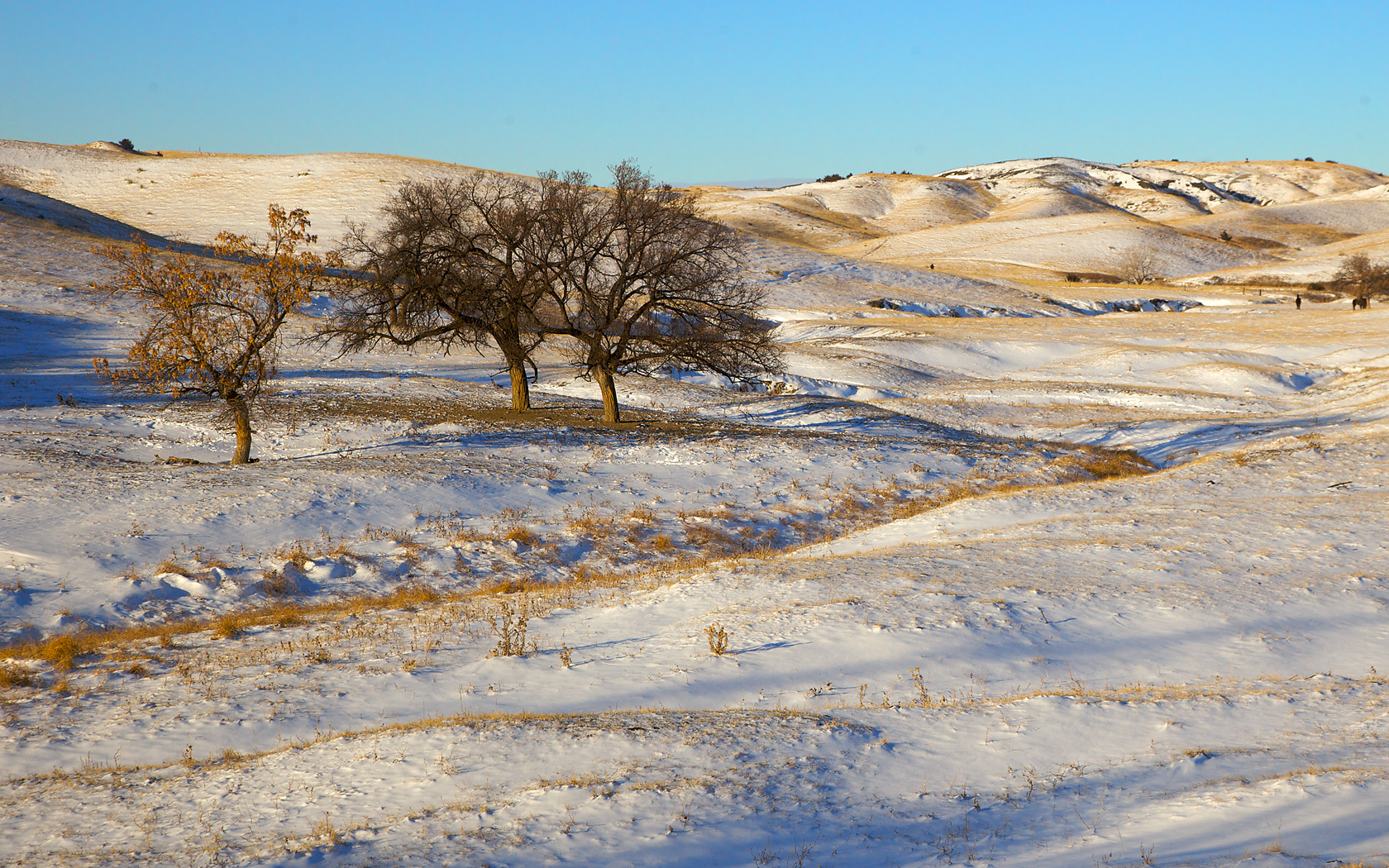 I was at a conference in Chamberlain and thought it would be interesting to try to get a second photo of a scene I had photographed a few months ago. Everything is the same except for the season. (I like the green one better!)
 Round cheeks and long eye lashes distinguish this pre-school girl. This girl didn't look up at me because she was more interested in her mid-morning snack -- a bowl of rice.
 We spent a few hours in a Japanese pre-school when we visited my son Brian in Japan a few years ago. I found this when I was looking for something that I might be able to post in the "Look At Me" series. I love this photo because it just "happened." There was no staging or coaching involved. I stopped and she looked up at me with a curiosity I saw everywhere in the children in this school. Of course her beautiful big, dark eyes help make this photo.
 Getting a decent portrait of one person is hard enough. Photographing two people increases the challenge. Not only do you have to hope that they both look good/happy/whatever when you snap the picture but there are technical considerations. The two biggest are lighting and focus. In the studio I generally use two light sources to light the faces, though you can tell from the highlights in the eyes that the main light is to my right. Since eyes need to be sharply in focus, I coach the subjects to try to have their eyes on the same plane relative to the camera. I also use a high f-stop (8 or 11), which helps the depth of field.
 I have helped take photographs for the Watertown High School yearbook for many years. In last year's edition I did a series of photos for the beginning of each section in the book. This one was for the "Academics" section. Nice skeleton. I'm told that it's not "real" but made from plastic.
 Before I begin a portrait session, I will often ask if the subject has any ideas about where and how they want to be photographed. Often they tell me that they'll trust me to figure something out. But sometimes they come up with impractical ideas: "I've always thought it would be cool to be photographed on a camel in front of the Great Pyramid." Or "How about a portrait of me water-skiing in my cap and gown?" Right.
 This is a good example of what portrait photographers call Rembrandt lighting. In simple terms, the main light comes from from above eye level and from the side. This results in one side of the face being fairly bright and a splash of light highlighting the cheek bone. This lighting thins and flatters the face, although Jessica's classic good looks needed little flattery.