
 There is much that is captivating about a Gothic cathedral like the famous Notre Dame of Paris. The beautiful stained glass and the lofty interior space must have been truly awe inspiring to the 12th century Parisian. They certainly are to me.
In this photo, you are looking at an innovation that allowed the soaring interior space and relatively thin walls. It's called "rib vaulting." It may look chaotic but it is in fact very carefully arranged. How did they figure this out? Mostly trial and error and amazing intuition. The medieval masons didn't have computer models or even sophisticated math.
Here's another tidbit about gothic cathedrals: they are held together by gravity, not the mortar between the blocks. The mortar is really just a spacer to keep the stories level. Ribbed vaulting like this would have been stacked on wooden supports until the top stones were put in place. Once complete, the support was removed and the ceiling stayed up on its own. Impressed?
 Napoleon, who conquered much of Europe, died at age 51 on the tiny island of St. Helena, where he had been exiled. Even today St. Helena is one of the most isolated places on earth.
  Yes, another self-indulgent photo! And you wouldn't know that this is Paris, would you? It could be our local Mini-Mart. But check out the the wine section of this petite store. Only in France would you see something like this.
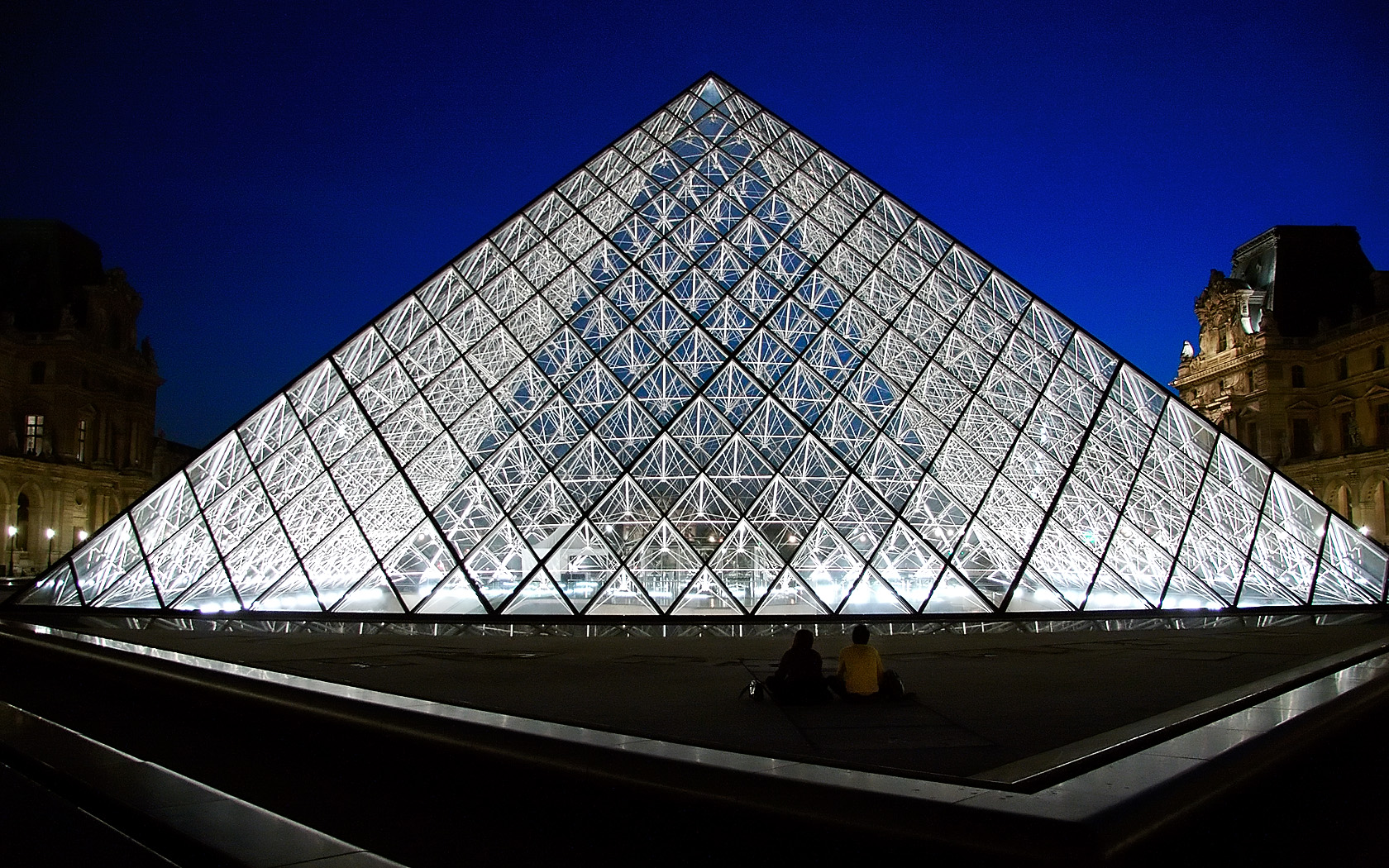 I learned a couple weeks ago that a former student of mine, Erin H., is looking at the blog from time to time. Given that there are other former students who also see this blog, this might seem unremarkable. But it turns out that Erin is in Paris for a year, and there's something special to me about having someone there checking out my blog. :-)
 You could just see this another wall with ivy growing on it. Or you could see it as a deeply symbolic photo representing the conflict of "man vs. Nature," and our attempt to impose structure and pattern on a universe that is as random as the ivy's vine creeping across a red brick wall.
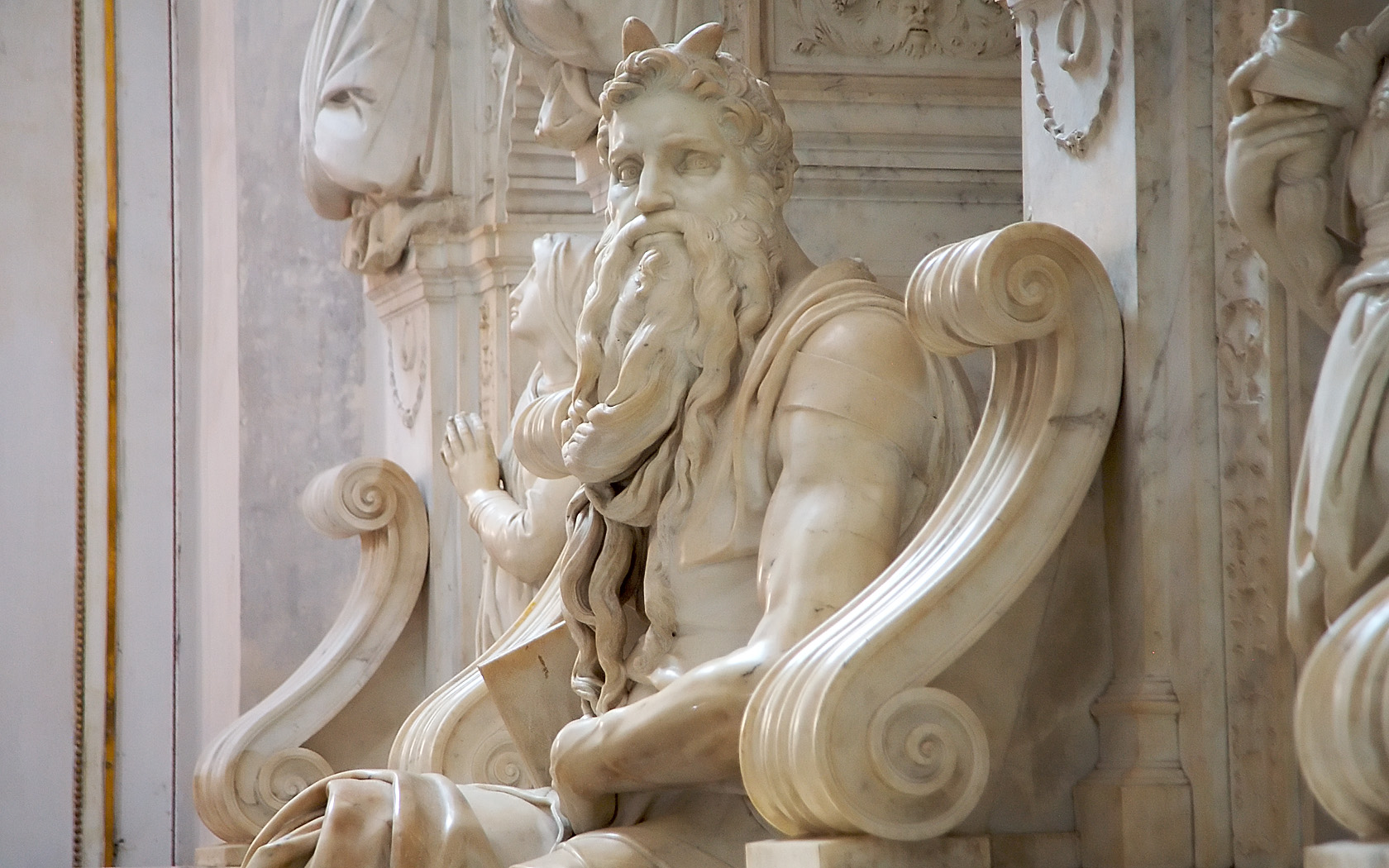 This is Michelangelo's "Moses," and it is housed in one of the most unassuming places any great work art resides - the Church of St. Peter in Chains in Rome. Michelangelo was commissioned to do Pope Julius II's tomb and Moses was to be one of 50 sculptures to decorate the tomb. Humility? I don't think so.
 This is an early morning shot of a back lit tree in the Borghese Gardens in Rome. There is something prehistoric-looking in these leaves. I don't know what kind of tree this is but it could be a relative of the locust, which grows in some places in South Dakota.
 This is yet another photo from the Plitvice Lakes. I am standing on the shore shooting down. The clear, blue water is not fancy Photoshop work - it is the amazing work of Nature.
 This is one of the many waterfalls at the Plitvice Lakes in Croatia. I had no tripod for the shots I took in this beautiful location so the water isn't quite as blurry as I'd like. The striking feature of the the Plitivice Lakes is the amazingly blue and clear water that flows through the park.
 Here's another "reflections" photo. It's Deb again, striking a pose on a cruise boat sailing the eastern Aegean Sea. I think that's the same sun that sets in South Dakota, though.
 My wife doesn't really like it when I take her photo so instead I often take a photo of the reflections I see in her sunglasses. This is a palm tree in Mexico. But it's also a close-up Deb's head. She'll be thrilled.
 There's not much art in the photograph - the art is in the amazing glass objects that were layered between Plexiglas panels in the ceiling of a walkway near